
Nursing is one of the most physically demanding professions. Nurses spend most of their shifts walking, standing, lifting, and moving quickly between patients.
Studies show nurses can walk 4–7 miles during a single shift, often on hard hospital floors.
Over time, this constant movement can lead to:
- Foot pain
- Heel pain
- Knee discomfort
- Lower back pain
- Leg fatigue
Because of these demands, choosing the best shoes for nurses is critical for staying comfortable and preventing long-term strain on the body.
In this guide, we’ll explore:
- Why nurses experience foot and joint pain
- What features to look for in nursing shoes
- How shock-absorbing footwear can reduce fatigue
- Why Z-Coil footwear is designed for long shifts
Why Nurses Experience Foot Pain
Nurses often work 12-hour shifts or longer, spending much of that time on their feet.
Hospital floors are typically hard surfaces, which means every step sends impact through the body.
Each time your heel hits the ground, a shock wave travels through:
Foot → Ankle → Knee → Hip → Spine
When repeated thousands of times during a shift, this impact can lead to fatigue and discomfort.
Over time, nurses may develop conditions such as:
- Plantar fasciitis
- Heel spurs
- Knee pain
- Sciatica
- Lower back pain
This is why proper footwear is one of the most important investments nurses can make.

How Many Miles Do Nurses Walk Per Shift?
Many nurses are surprised to learn how much distance they cover during a typical shift.
Research suggests nurses walk between 4 and 7 miles during a 12-hour shift.
This constant movement creates repeated impact forces on the feet and joints.
Without proper support and shock absorption, this impact accumulates throughout the day.
The result is fatigue, soreness, and sometimes chronic pain.
Common Foot Problems Nurses Experience
Plantar Fasciitis
Plantar fasciitis is one of the most common foot problems among healthcare workers.
It occurs when the ligament that supports the arch becomes inflamed.
Symptoms include sharp heel pain, especially after long periods of standing.
Learn more in our guide to plantar fasciitis.
Heel Pain
Repeated heel impact can lead to inflammation in the heel area.
Shoes that absorb shock can help reduce stress on this sensitive area.
Knee and Joint Pain
Impact from walking travels up through the legs and into the knees.
Shoes that reduce shock can help minimize stress on these joints.
Lower Back Pain
When impact reaches the spine, it can contribute to lower back discomfort.
Supportive footwear can help reduce this strain.
What to Look for in the Best Shoes for Nurses
Not all shoes are designed for the physical demands of healthcare work.
When choosing nursing shoes, several features are especially important.
Shock Absorption
Shock absorption helps reduce the impact generated with each step.
Because nurses walk thousands of steps per shift, this feature can significantly improve comfort.
Shoes designed to reduce shock help protect:
- Feet
- Knees
- Hips
- Lower back
Arch Support
Proper arch support helps distribute weight evenly across the foot.
This prevents excessive strain on the plantar fascia and helps maintain alignment.
Cushioning
Extra cushioning helps protect the foot from hard hospital floors.
This can reduce fatigue and improve comfort during long shifts.
Slip Resistance
Hospital environments often require shoes with slip-resistant soles.
This helps reduce the risk of slips on wet or smooth surfaces.
Stability
Shoes that provide a stable base help prevent excessive foot movement.
Good stability helps reduce strain on the ankles and knees.
How Z-Coil Shoes Help Nurses Stay Comfortable
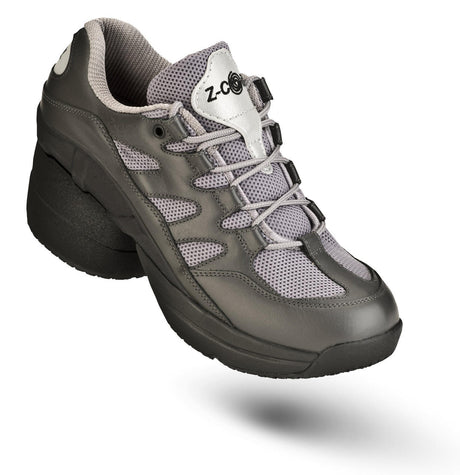
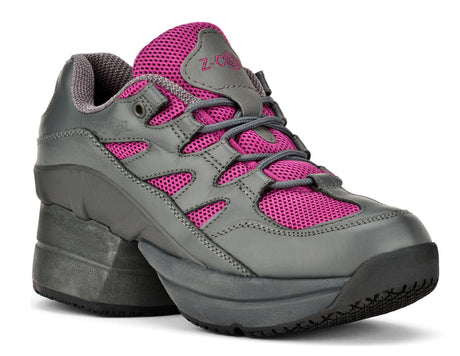
Z-Coil Footwear was designed specifically to reduce the impact forces that contribute to foot and joint pain.
The shoes combine several unique technologies that help improve comfort for people who spend long hours on their feet.
To learn more about the science behind the design, visit our how it works page.
Patented Spring Heel for Shock Absorption
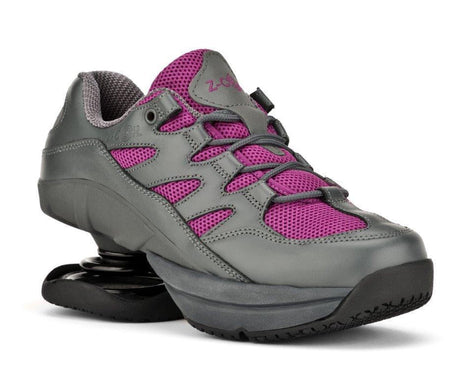
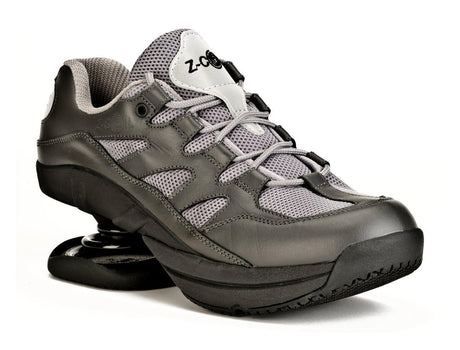
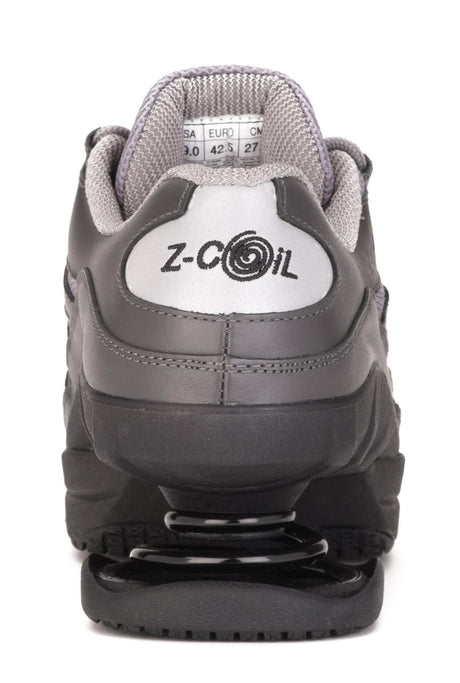
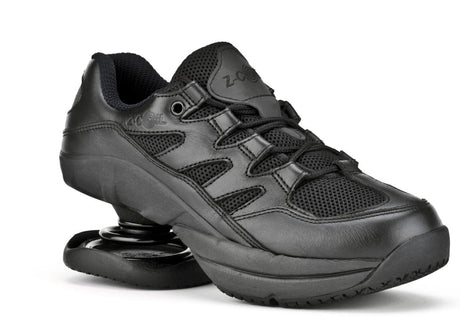
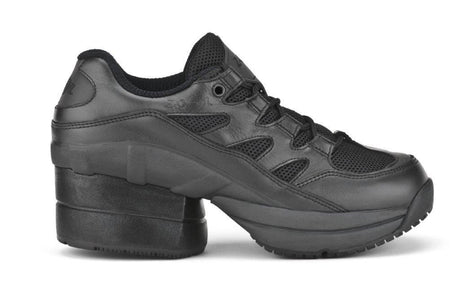
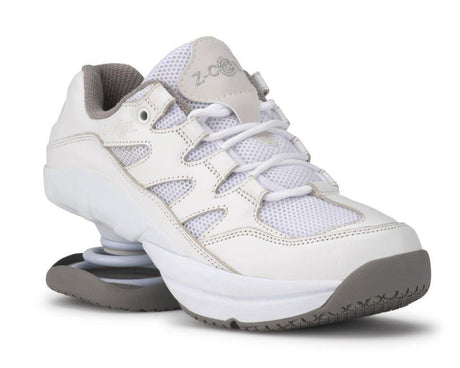
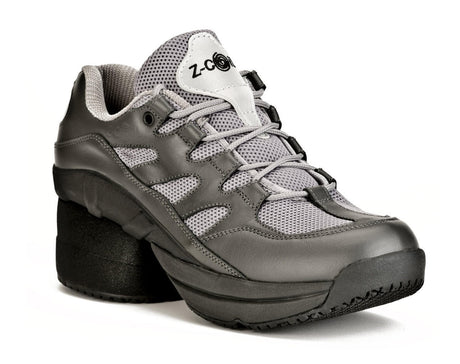
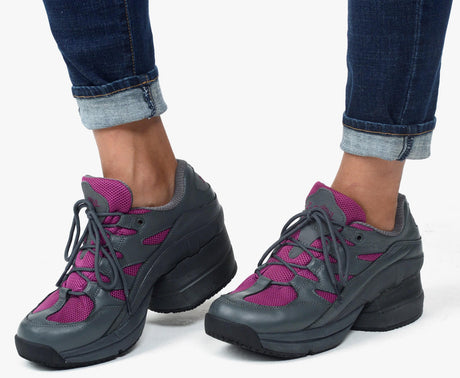
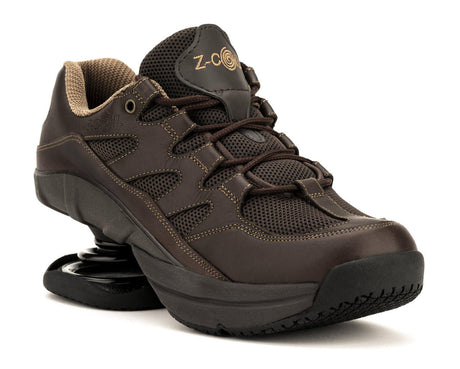
One of the most unique features of Z-Coil footwear is the spring coil built into the heel.
Unlike traditional shoes, Z-Coil uses a coil system that compresses during heel strike.
This design helps absorb shock and reduce the impact traveling through the body.
The coil can reduce impact by up to 50% compared to traditional footwear.
For nurses walking miles every shift, this reduction in impact can significantly reduce fatigue.
Energy Return for Easier Walking
The spring heel not only absorbs shock but also provides energy return.
As the spring compresses during heel strike, it stores energy and releases it during the next step.
This helps propel the foot forward, making walking feel smoother and less tiring.
Many wearers describe the experience as lighter and more efficient movement.
Built-In Z-Orthotic® Support
Z-Coil shoes include a built-in orthotic support system that helps support the plantar ligaments and improve alignment.
This support helps:
- Stabilize the foot
- Reduce strain on the arch
- Improve posture
- Distribute pressure evenly
Because the feet are the foundation of the body, proper support can improve comfort throughout the entire kinetic chain.
Rocker Bottom Sole for Smooth Walking
Z-Coil shoes also feature a rocker bottom sole.
This curved design helps guide the foot through the walking cycle.
Benefits include:
- Reduced pressure on the forefoot
- Smoother walking motion
- Less stress on the joints
For nurses walking miles each shift, smoother movement can reduce fatigue.
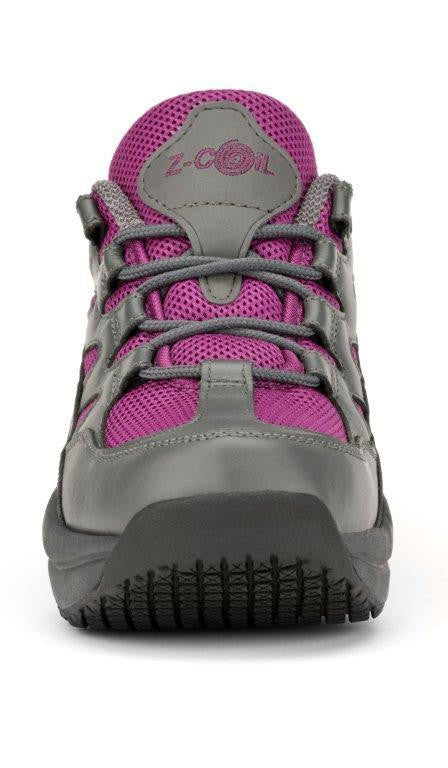
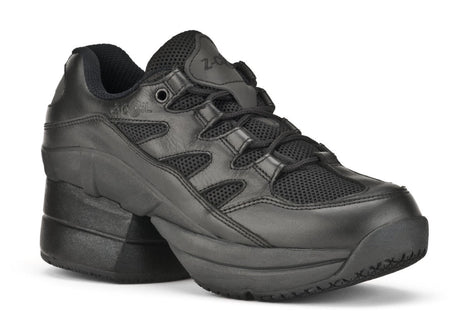
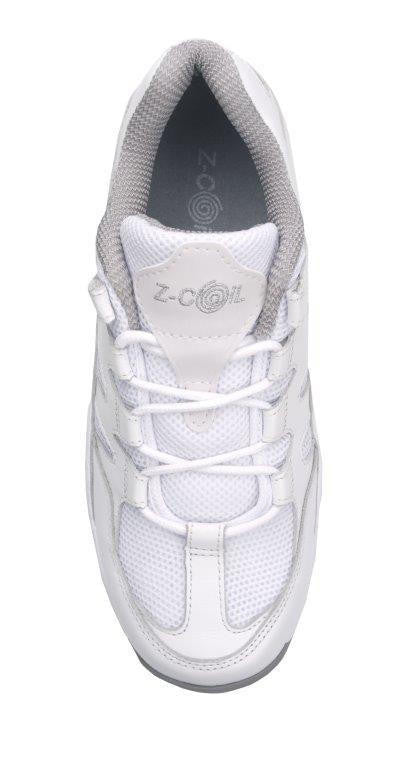
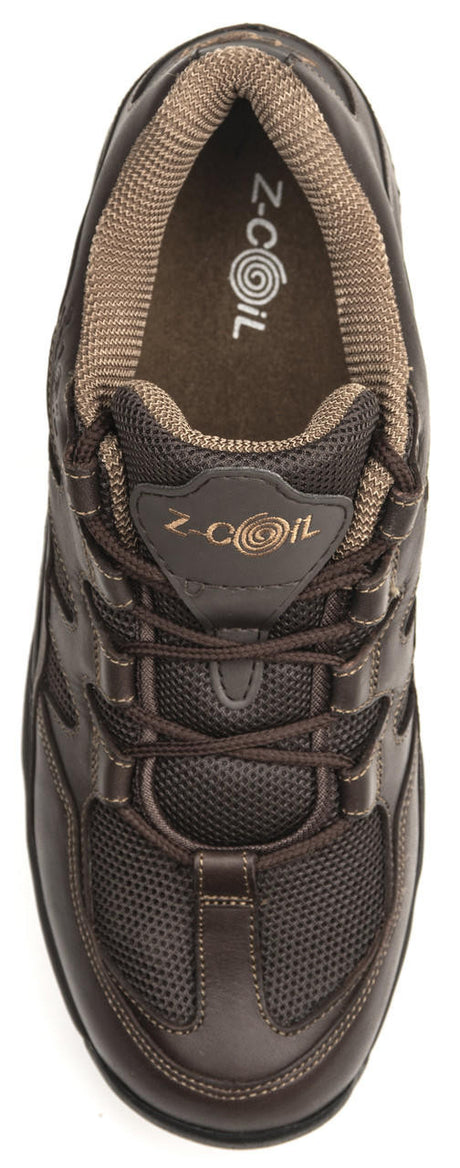
Recommended Shoe for Nurses: Z-Coil Freedom Classic
One of the most popular styles among healthcare professionals is the Freedom Classic.
The Freedom Classic combines comfort, durability, and pain-relieving technology.
Key features include:
- Replaceable shock-absorbing coil
- Built-in orthotic support
- Wide toe box for natural movement
- Breathable mesh upper
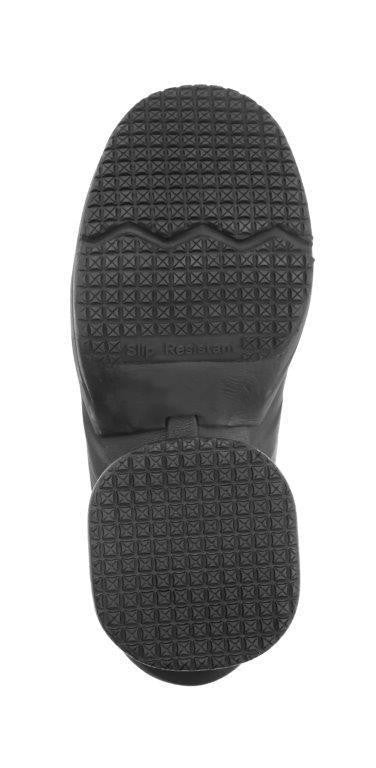
- Slip-resistant outsole
- Thick forefoot cushioning
These features make it ideal for professionals who spend long hours walking and standing.
Shoes for Nurses Who Stand All Day
Many nurses spend most of their shift on their feet.
Footwear designed for long periods of standing can help reduce fatigue and discomfort.
You can read more in our guide to standing all day.
Tips for Nurses to Reduce Foot Fatigue
In addition to supportive footwear, several strategies can help reduce fatigue during long shifts.
Helpful tips include:
- Stretching your calves and feet before and after shifts
- Rotating between two pairs of supportive shoes
- Maintaining good posture while standing
- Taking short walking breaks when possible
Combining these strategies with proper footwear can help improve comfort and prevent pain.
Try Z-Coil Risk-Free for 30 Days
Finding the right shoes for nursing shifts can make a significant difference in your comfort and energy levels.
Z-Coil offers a 30-Day Risk-Free Trial, allowing you to wear the shoes in real-life conditions and experience the difference.
You can try them during your normal work routine and see how the spring heel and built-in support affect your comfort throughout the day.
Stay Comfortable Through Every Shift
Nurses dedicate their careers to caring for others, often while spending long hours on their feet.
Choosing footwear designed to reduce impact and support natural movement can help protect your body from fatigue and discomfort.
With patented spring coil technology, built-in orthotic support, and a rocker bottom design, Z-Coil footwear helps reduce stress on the feet, joints, and spine.
For those searching for the best shoes for nurses, the right footwear can help you stay comfortable and energized through even the longest shifts.