By Lindley Gallegos Bach, President, Z-CoiL Footwear (third generation). October 2026.
The short answer
- Sneakers are the safer default for most nurses: they lock your heel in, meet closed-heel dress codes, and stay stable when you pivot or move fast.
- Clogs win on speed and convenience. They're easy to slip on and off and many have a roomy toe box, but open-back clogs aren't allowed on every unit.
- Whichever you choose, the features that matter most over 12 hours are the same: impact reduction at the heel, a slip-resistant outsole, built-in arch support, and an upper you can wipe clean.
Start with your dress code
Before comparing comfort, check your unit's written footwear policy. Many hospitals require a closed toe, a low heel, a slip-resistant sole, and an enclosed heel or heel strap. Kingston General Hospital's policy, for example, only allows clogs that have an enclosed heel or heel strap. Policies vary by hospital and by unit. Ask your manager, check the employee handbook, or contact infection control.
If your unit requires an enclosed heel, the decision is mostly made for you: choose a sneaker or a clog with a heel strap.
Clogs vs. sneakers at a glance
| Feature | Clogs | Sneakers |
| On and off | Fastest, no laces | Slower, but slip-on lace systems help |
| Heel security | Lower on open-back styles | High, heel is locked in |
| Dress code fit | Depends on heel and policy | Usually meets closed-heel rules |
| Stability when pivoting | Good on stable bases, weaker if the heel lifts | Best for fast moves and responding to codes |
| Toe room | Often generous | Varies, look for a wide toe box |
| Cleaning | Leather and molded clogs wipe clean | Leather wipes clean, mesh holds onto spills |
When clogs make sense
Clogs are popular with nurses for good reason. They come off fast at the end of a shift, many have a generous toe box, and a firm, stable clog base can feel great during long stretches of standing at the bedside or in the OR. They suit units where you stand more than you sprint, and workplaces that allow slip-ons.
The trade-off is heel security. In an open-back clog, your heel can lift with each step, so your toes grip to hold the shoe on. Over 12 hours, that can tire your feet and calves, and it's less secure when you need to move quickly.
When sneakers make sense
Sneakers keep your foot locked to the shoe. That matters when you're walking miles between rooms, turning quickly, or responding to an emergency. A pedometer study of ICU nurses in Critical Care (Nahk and Frolova, 2009) recorded an average of about 10.7 km, roughly 6.6 miles, per 12-hour shift. For that much walking, a secure heel and a sole that rolls you forward make a real difference.
The trade-off is that many athletic sneakers rely on foam that packs down over a shift and over months, and breathable mesh uppers are harder to keep clean.
What matters more than the style
Impact reduction at the heel
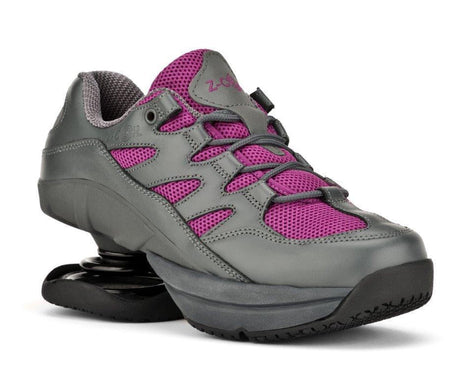
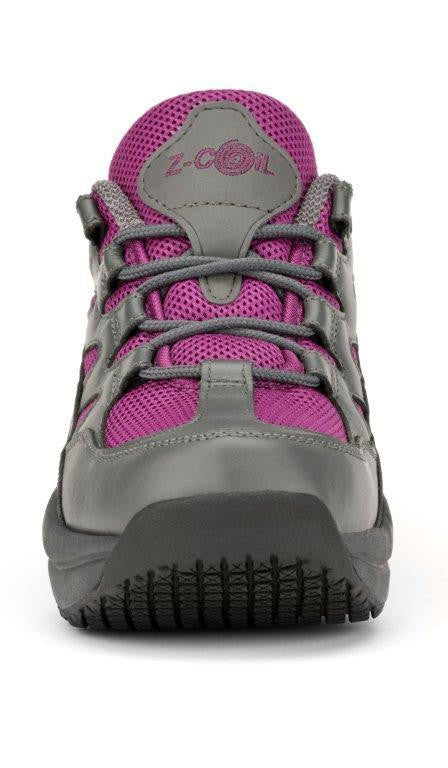
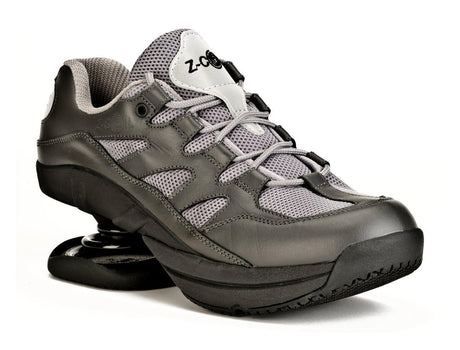
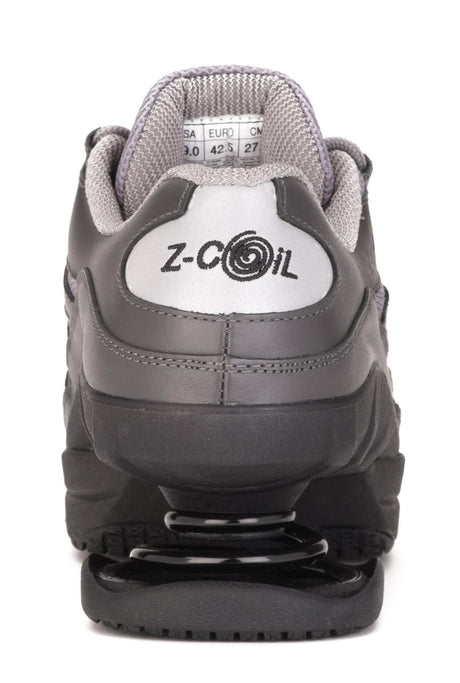
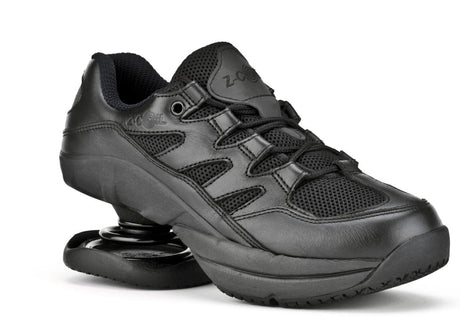
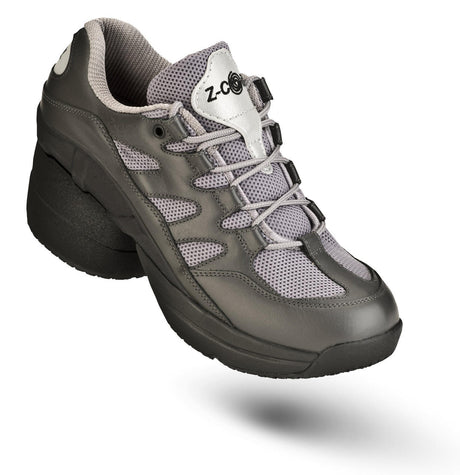
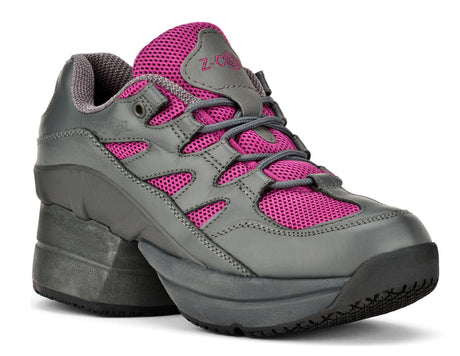
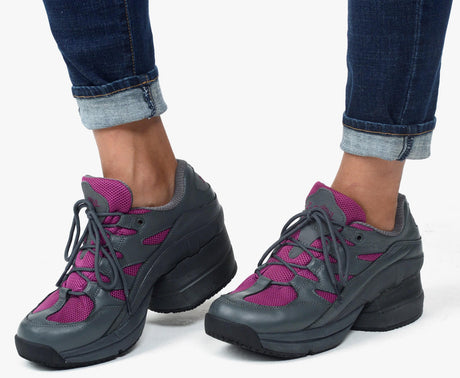
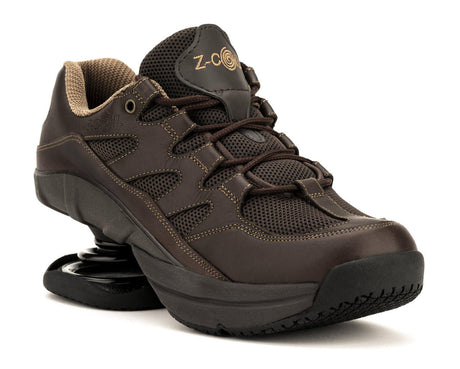
Hospital floors are vinyl or tile laid over concrete, and every heel strike sends force back up through your knees, hips, and lower back. Look for a shoe that reduces impact at the heel all shift. Every Z-CoiL, clog or sneaker, has a chrome-plated steel spring under the heel that compresses when you land and rebounds as you roll forward. Steel doesn't pack down the way foam does. See the research on impact reduction.
A slip-resistant outsole
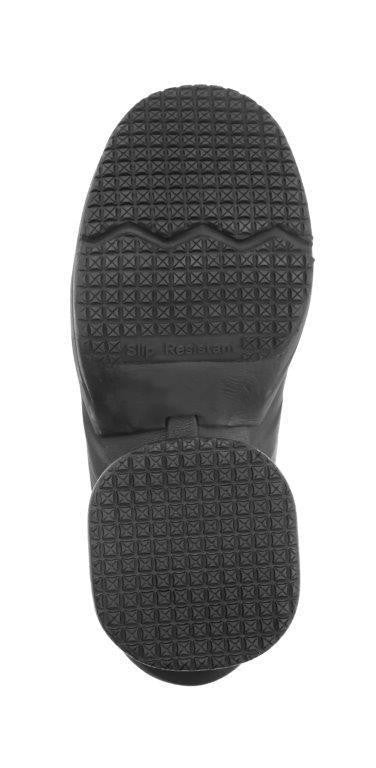
Spills happen. In the UK SSHeW randomised controlled trial (NIHR, 2021), NHS staff who were given slip-resistant footwear slipped less than those wearing their own shoes. Whether you pick a clog or a sneaker, choose a slip-resistant outsole, and check whether your employer specifies a rating.
Built-in arch support
Arch support keeps load off the plantar fascia during long stretches of standing. Every Z-CoiL has a built-in Z-Orthotic®.
A wipeable upper
Full-grain leather wipes clean with a damp cloth and mild soap. It's the most practical choice for units with a lot of fluids.
Z-CoiL options for each
If you need a closed heel
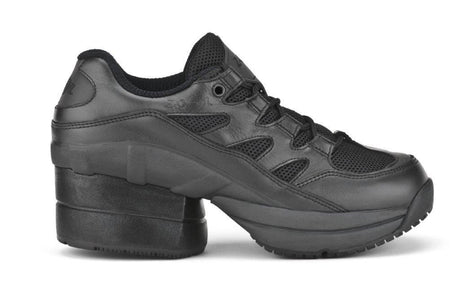
- Legend Black Slip Resistant: all black, full-grain leather, slip-resistant outsole, closed toe and heel. Room in the toe box for compression socks.
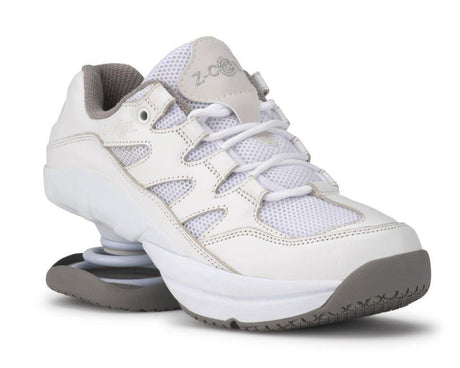
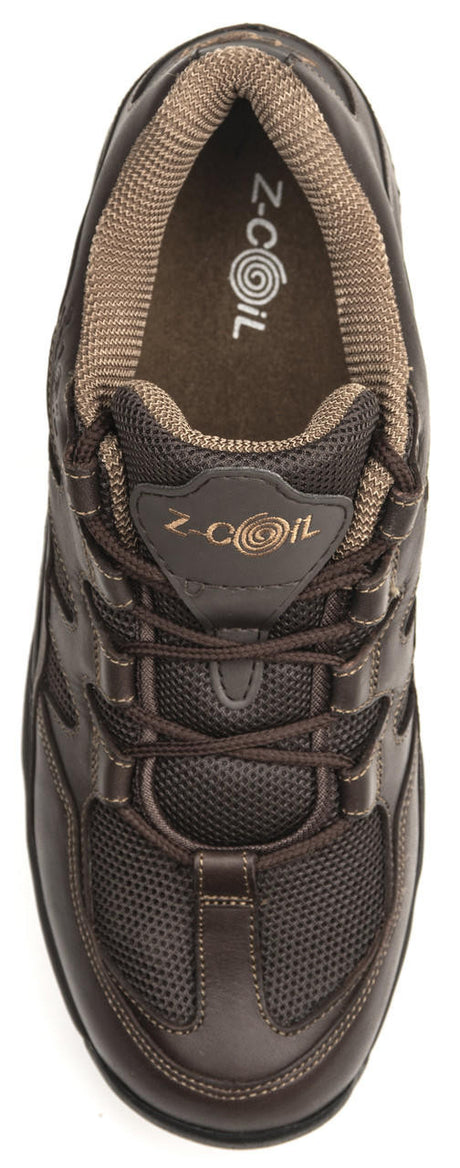
- Freedom Classic: our best-selling sneaker, with a slip-resistant outsole, built-in orthotic, and wide toe box. Also in white.
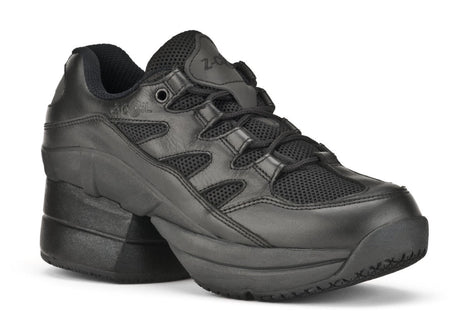
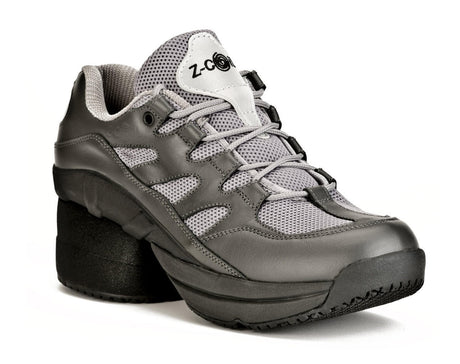
- Covered Coil styles: the same spring heel with the coil covered, for units that prefer no visible hardware.
If your unit allows slip-on clogs
- Töffler Clog: slip-on with a slip-resistant outsole, spring heel, built-in orthotic, and wide toe box. Pairs easily with scrubs.
- Taos Clog: smooth full-grain leather slip-on with a side slit that can be cut to fit a higher instep.
Still deciding?
Try them on shift, not just in the store. Every Z-CoiL comes with a 30-day trial, so you can wear them for a full rotation and send them back in any condition if they're not right. Z-CoiL footwear is also HSA/FSA eligible through Truemed at checkout. Shop nursing shoes or read our guide to the best shoes for nurses.
FAQ
Are clogs good for nurses?
Clogs can be a good choice for nurses who stand more than they walk and whose workplace allows slip-ons. Look for a stable base, a slip-resistant outsole, and arch support. If your unit requires an enclosed heel, choose a clog with a heel strap or a sneaker.
Can nurses wear open-back clogs?
It depends on the hospital. Many footwear policies require an enclosed heel or heel strap, so open-back clogs aren't allowed everywhere. Check your unit's written policy.
Are sneakers or clogs better for 12-hour shifts?
For shifts with a lot of walking and quick movement, sneakers are usually better because they keep the heel secure. For long periods of standing in one place, a stable clog can be comfortable. In both cases, heel impact reduction and slip resistance matter most.
What clogs do nurses wear?
Nurses commonly wear leather or molded clogs built for healthcare, with slip-resistant soles and supportive footbeds. Z-CoiL's Töffler and Taos clogs add a steel spring heel to reduce impact.