By Lindley Gallegos Bach, President, Z-CoiL Footwear (third generation) · Updated October 2026
Quick answer: Neither style wins for every nurse. Sneakers usually give a more secure fit and better heel hold for fast-moving units like the ER. Clogs slip on and off fast, wipe clean easily and suit nurses who stand in one place, like the OR. For 12-hour shifts, the bigger question is what is under your heel: cushioning, support and a sole that keeps working at hour ten.
Key takeaways
- Choose sneakers if you walk fast, pivot a lot or want laces and a locked-in heel.
- Choose clogs if you want slip-on convenience, easy cleaning and a roomy toe box.
- Either way, look for a supportive footbed, a shock-absorbing heel, a rocker or smooth roll-through, and slip resistance.
- Many nurses own both and switch by unit or by how their feet feel that week.
What is the difference between nursing clogs and sneakers?
A clog is a slip-on shoe with an open or strapped back and a firm, roomy shape. A sneaker laces or straps closed and holds your heel in place. That one difference changes how each feels on a long shift.
| Nursing clogs | Nursing sneakers | |
|---|---|---|
| On and off | Fastest. Slip on, slip off. | Slower. Laces or straps. |
| Heel hold | Looser. Your heel can lift. | Snug. Your heel stays put. |
| Best for | Standing in one place, OR, clinics | Walking and moving fast, ER, med-surg, floor nursing |
| Cleaning | Easy to wipe down | Mesh can hold stains |
| Toe room | Usually roomy | Varies by brand and width |
Are clogs or sneakers better for 12-hour shifts?
It depends on how you move. If you log a lot of steps and quick turns, a sneaker that holds your heel is often the safer, steadier pick. If you stand at a bedside, a table or a station for long stretches, a clog's roomy fit and easy on-off can feel better.
Are clogs safe for nurses?
Clogs can be a good choice when they fit well and have a slip-resistant sole. Check your hospital's dress code, since some units require a closed back. If your heel slides a lot in a clog, a sneaker is usually the better choice for fast-moving work.
What should nurses look for in any work shoe?
- A shock-absorbing heel. Hospital floors are hard, and every step sends impact up through your body.
- Built-in support. A firm footbed or orthotic keeps your foot steady through a long shift.
- A rocker or smooth roll-through. It helps each step roll forward with less effort.
- A wide toe box. Feet swell over 12 hours. Room for your toes matters by hour ten.
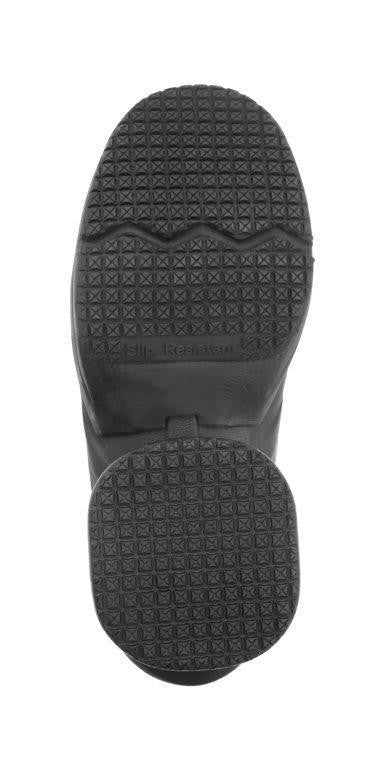
- Slip resistance. Spills happen. A slip-resistant outsole is worth it.
- Parts that last. Foam cushioning can pack down over time. Look at how long the cushioning keeps working.
How do Z-CoiL clogs and sneakers compare?
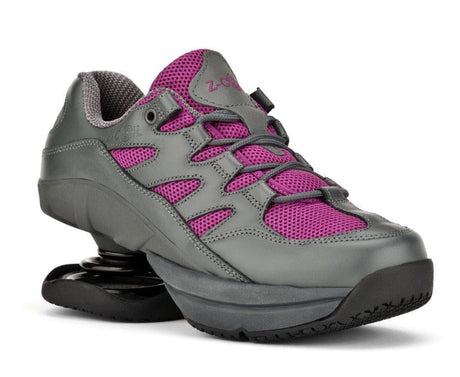
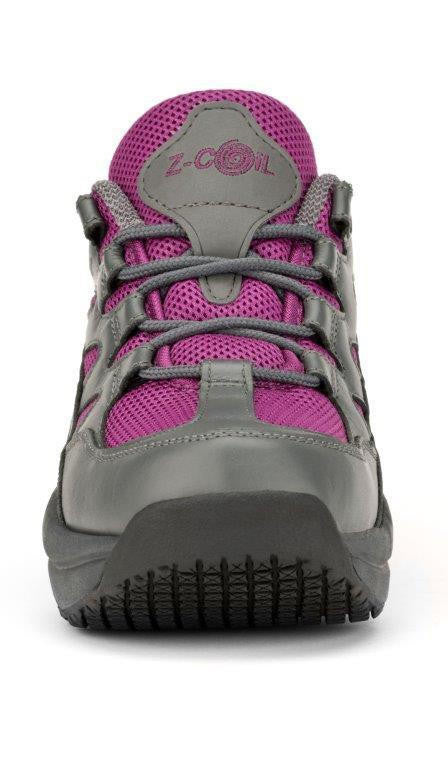
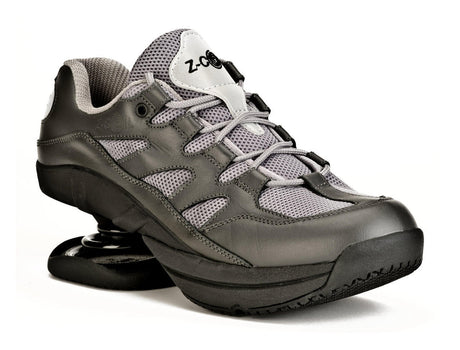
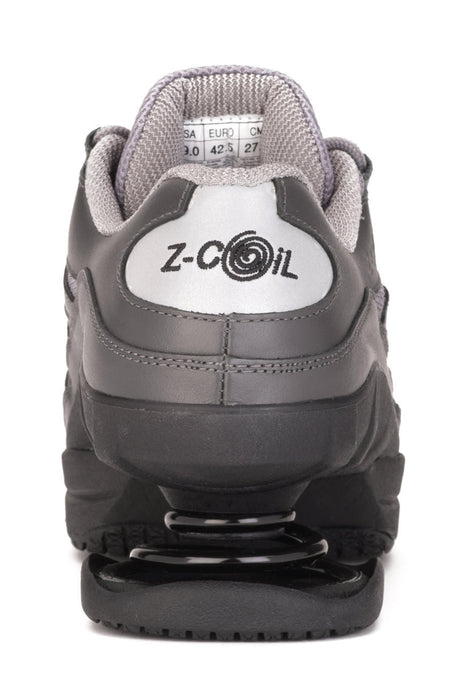
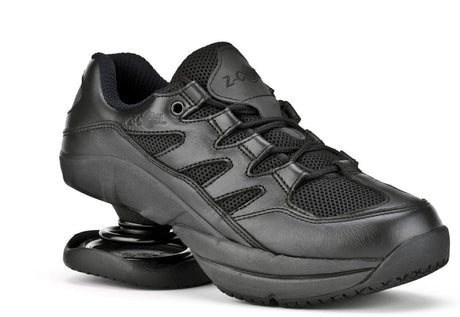
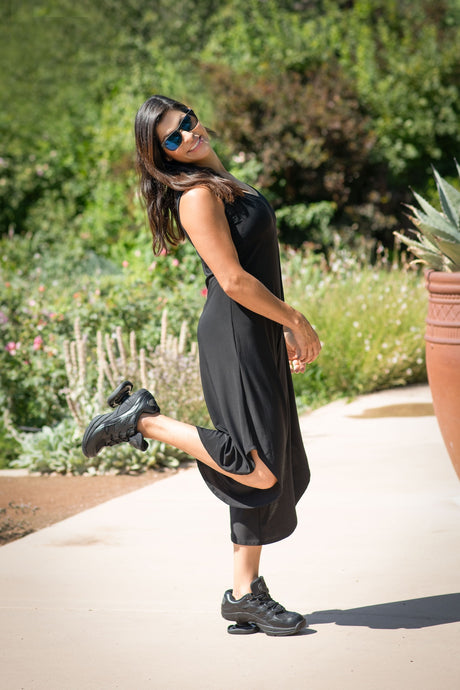
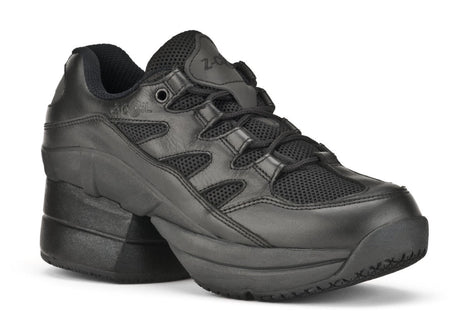
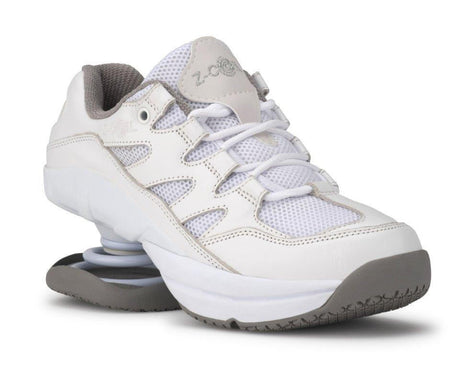
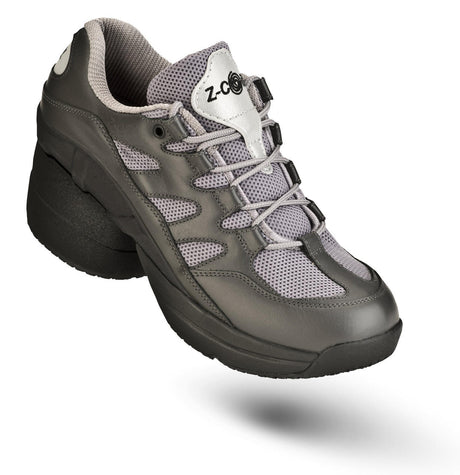
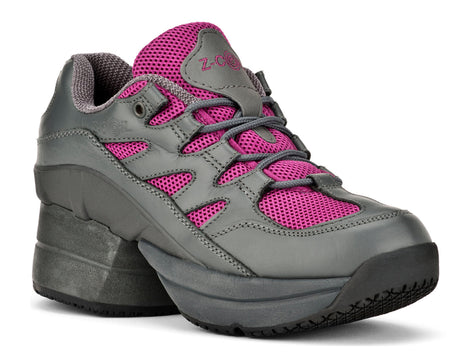
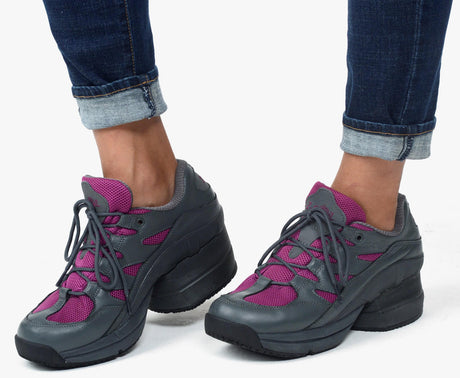
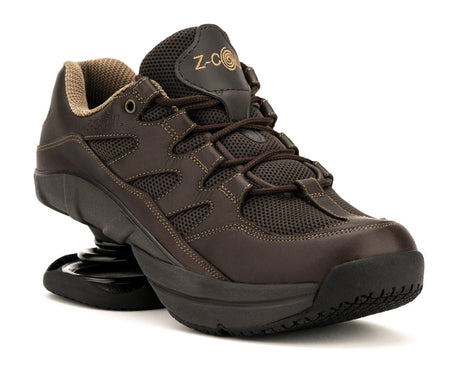
Every Z-CoiL, clog or sneaker, has the same core: a steel spring in the heel and our built-in Z-Orthotic. The steel spring heel reduces impact and returns about 40% of your energy. Steel doesn't pack down like foam, and the coils and insoles are replaceable.
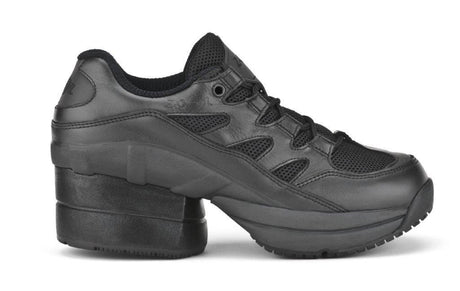
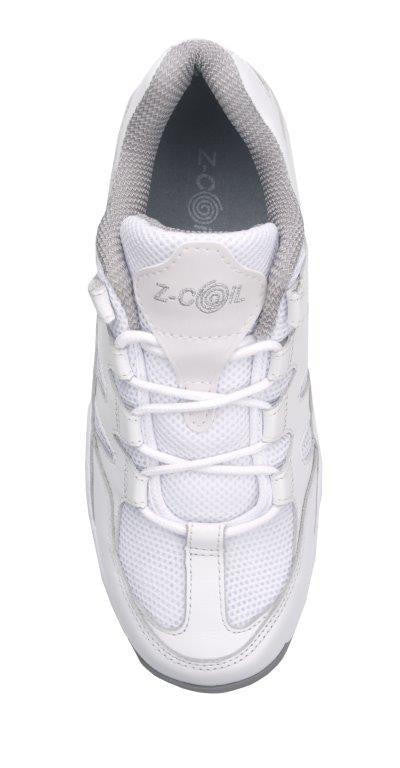
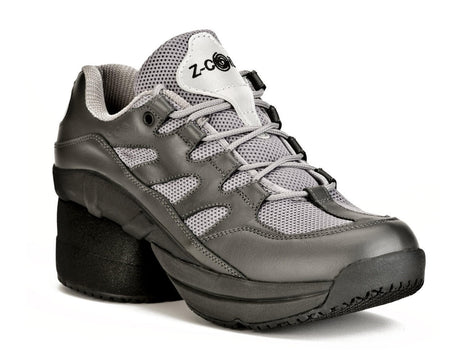
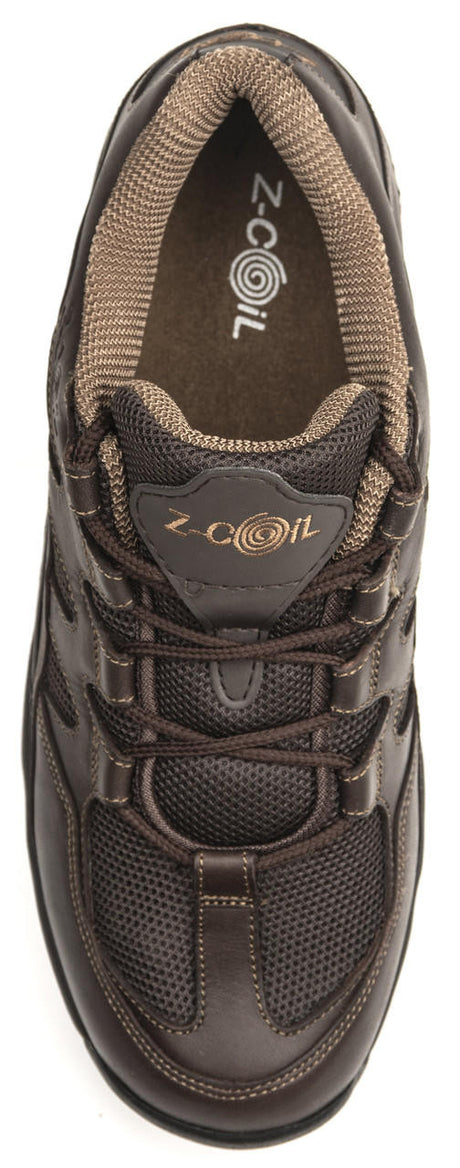
- Sneakers: the Freedom Classic Black is our best seller with nurses, and the Legend Black Slip Resistant is a lace-up with a slip-resistant outsole. Both come with an open coil or a Covered CoiL.
- Clogs: the Töffler Clog and the Taos Clog give you slip-on convenience with the same steel spring heel.
How do Z-CoiL compare with Hoka, Clove and Dansko for nurses?
Hoka and Clove make popular foam-cushioned nursing sneakers, and Dansko is known for its firm, rocker-bottom clogs. Z-CoiL is different because the cushioning under your heel is a steel spring, not foam. If foam shoes feel flat by the end of your shift, a spring heel is worth trying.
Can I use my HSA or FSA for nursing shoes?
Z-CoiL shoes are HSA/FSA eligible through Truemed. See how HSA/FSA works with Z-CoiL.
What if they don't feel right?
Try them for 30 days. If they're not right for you, send them back in any condition for a full refund.
If you have ongoing foot, heel or back pain, see a podiatrist or doctor. Shoes can help you stay comfortable on your feet, but they aren't a medical treatment.