Yes, there is a right way to walk — and most people have never been taught it. To walk properly, stand tall with your head level, relax your shoulders and let your arms swing naturally, keep a soft bend in your knees, land on your heel and roll smoothly through to your toes, and take comfortable, slightly shorter strides rather than overreaching. Walking this way distributes impact the way your body was designed to handle it, instead of concentrating strain in your heels, knees, and lower back.
Many people walk in a way that's closer to falling forward and catching themselves with each step. It works, but it sends unnecessary shock through the body — thousands of times per day. The good news: walking form is fixable at any age, and you'll usually feel the difference within a week of paying attention to it.
How to Walk Properly in 5 Steps
Step 1: Stand tall with your head level. Good walking starts before your first step. Straighten your back — no slouching forward, no arching backward — and hold your chin parallel to the ground, eyes looking ahead rather than down at your feet. This stacks your head, shoulders, and hips so your spine and back muscles share the work of carrying you.
Step 2: Relax your shoulders and swing your arms. Drop any tension out of your shoulders and let your arms swing naturally forward and back with each step, elbows slightly bent. Avoid swinging them across your body. A relaxed, rhythmic arm swing balances your stride and keeps your upper body loose instead of stiff.
Step 3: Keep a soft bend in your knees. Never walk with locked knees or a rigid, stiff-legged gait — that sends impact straight up through your bones. A slight, natural bend lets your leg muscles absorb part of each step's load, the way suspension is supposed to work.
Step 4: Roll heel to toe. Land gently on your heel, roll through the middle of your foot, and push off from your toes in one fluid motion. This heel-to-toe roll is what the human foot is engineered to do; it spreads each step's force across the entire foot instead of slamming it into one spot.
Step 5: Take shorter, comfortable strides. Overstriding — reaching your foot far out in front of you — forces a hard, jarring heel strike and actually slows you down. Keep your steps landing closer to under your body. If you want to walk faster, take quicker steps, not longer ones. (More on this in our guide to why a shorter walking stride is better.)

Why Walking Form Matters
Every step you take on a hard surface sends a shock wave up through your feet, knees, hips, and spine. At an average of 4,000–8,000 steps per day, small inefficiencies in your form add up to a lot of unnecessary strain. Poor posture concentrates that impact in your lower back; locked knees send it into your joints; overstriding hammers your heels.
There are two kinds of tired at the end of a long walk: the tired that comes from straining your body, and the tired that comes from muscles and bones that worked the way they were meant to. The first kind aches. The second kind feels earned. Good walking technique — supported by footwear that absorbs impact instead of passing it along — is how you get the second kind.
How Your Shoes Affect Your Walking Form
Footwear is the one piece of walking equipment you use on every single step, and it directly shapes your form. Shoes with thin, worn, or flattened soles transmit nearly all of the ground's impact into your body — and when each step is uncomfortable, people unconsciously shorten, stiffen, or twist their gait to avoid it. That's how one problem becomes three.
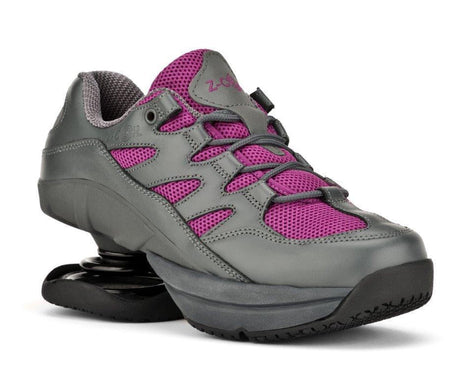
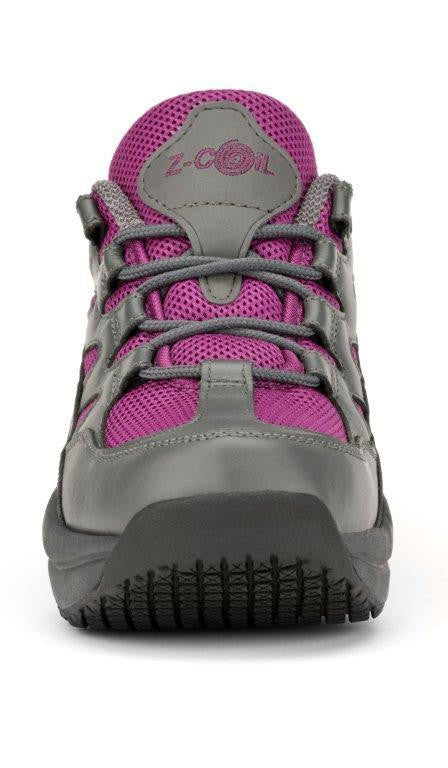
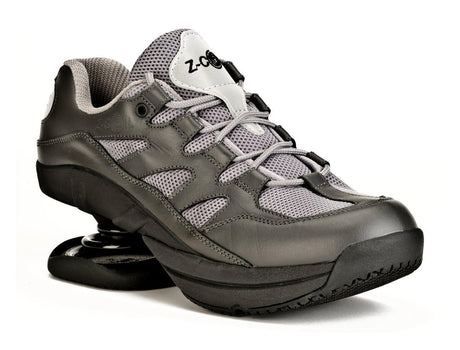
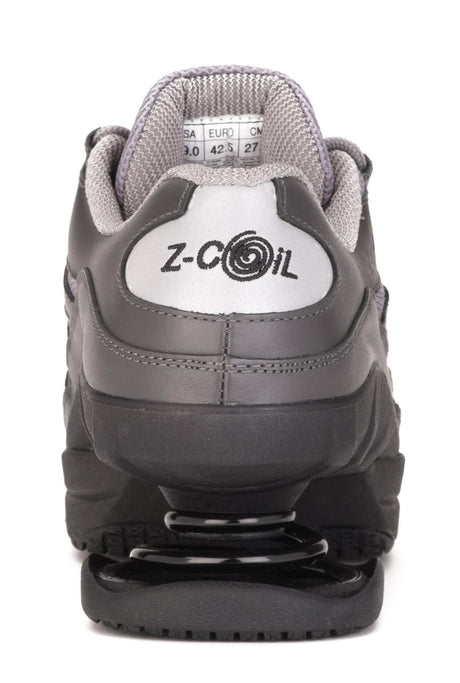
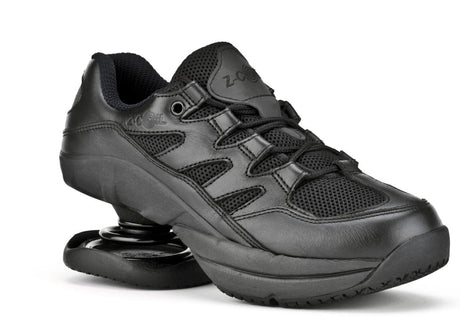
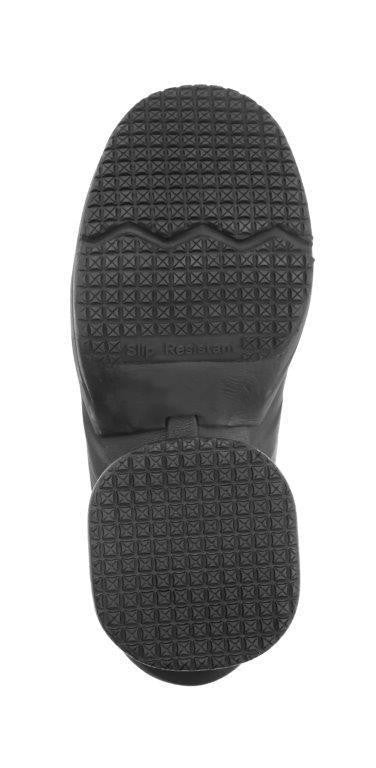
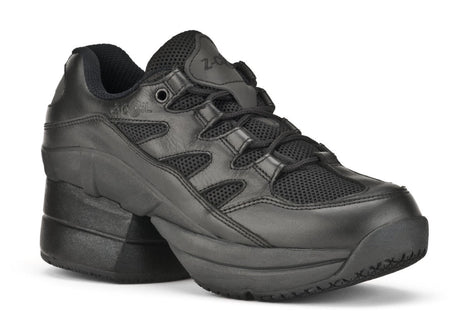
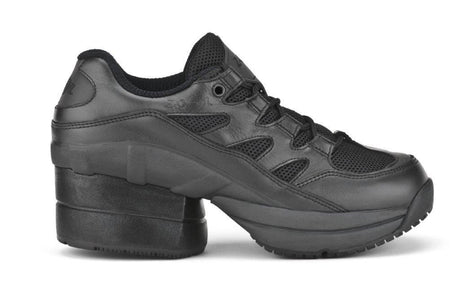
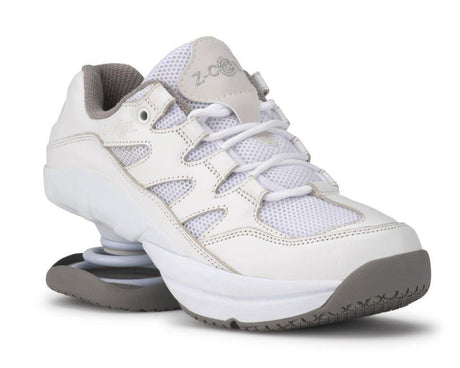
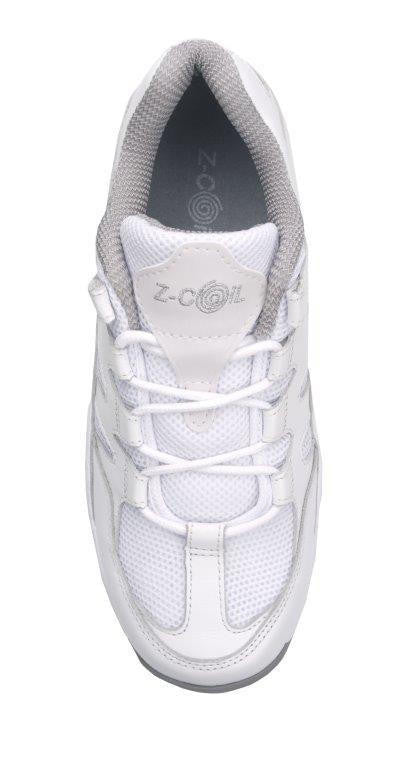
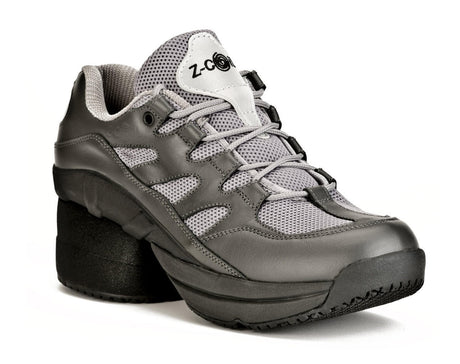
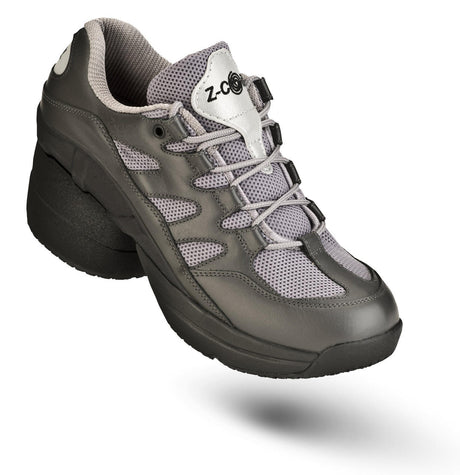
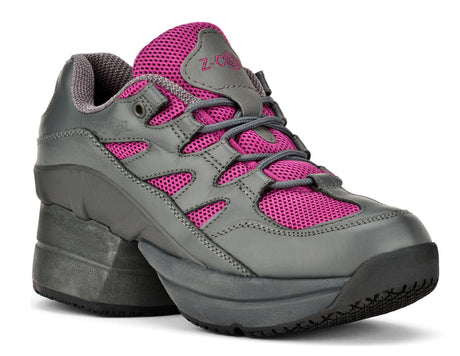
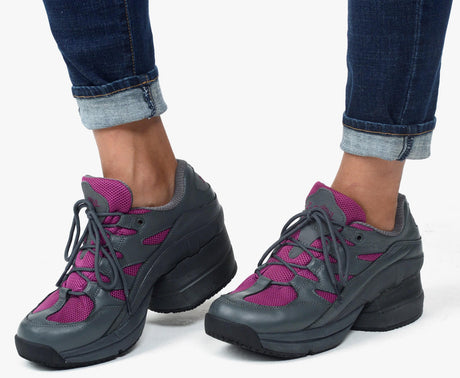
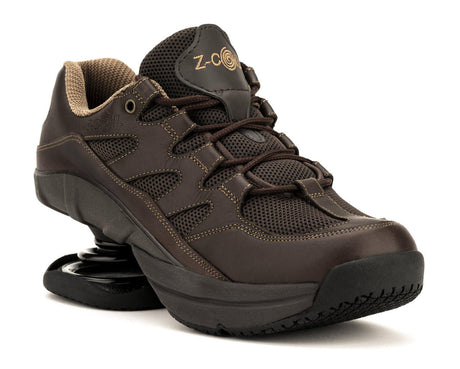
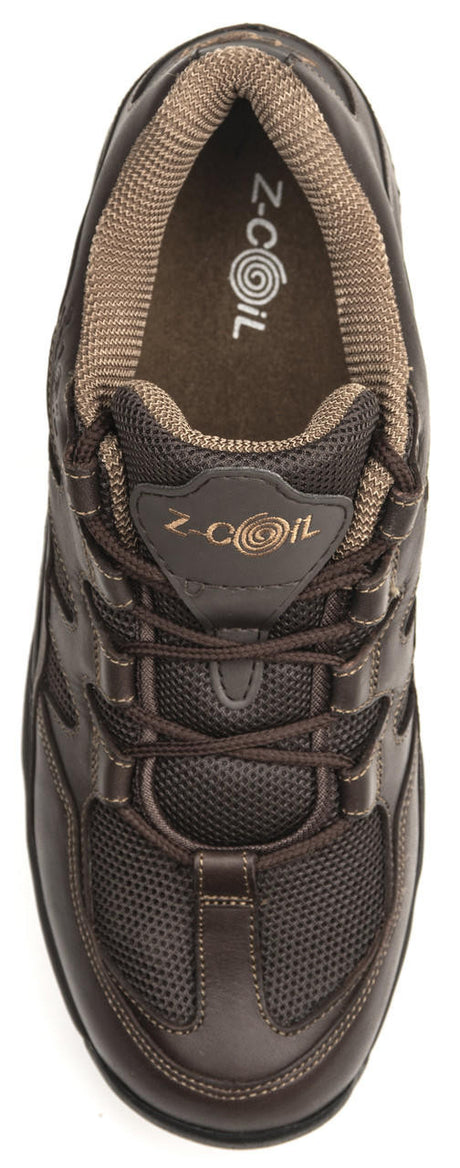
This is exactly the problem Z-CoiL footwear was engineered around. The patented steel coil under the heel compresses at heel strike — the highest-impact moment of your stride — and the cushioned rocker forefoot helps your foot complete the natural heel-to-toe roll described in Step 4. The built-in rigid orthotic supports your arch through the middle of the roll. With less impact reaching your body, there's no reason to alter your posture or shorten your gait: you can keep your back straight, chin up, and walk the way your body is designed to move. Learn more about how Z-CoiL spring shoes work.
Frequently Asked Questions About Walking Technique
What is the correct way to walk?
The correct way to walk is with an upright posture and level head, relaxed shoulders, arms swinging naturally, a soft bend in the knees, and a smooth heel-to-toe roll through each step, using comfortable strides that land under your body rather than far out in front of it.
How do I fix my walking posture?
Fix your walking posture by imagining a string pulling the crown of your head toward the sky: stand tall, tuck your chin level, draw your shoulders back and down, and engage your core lightly. Check yourself at the start of every walk for a week or two — posture corrections become automatic quickly with repetition.
Should you walk heel to toe?
Yes. For everyday walking, landing on your heel and rolling forward through to a toe push-off is the natural, efficient pattern for the human foot. (Running mechanics differ — this advice is for walking.) Shoes with good heel cushioning and a rocker-shaped forefoot make the heel-to-toe roll easier and more comfortable.
How long does it take to improve your walking form?
Most people notice a difference within the first few walks, and new form starts to feel automatic within two to four weeks of consistent attention. Focus on one step at a time — posture first, then arm swing, then stride — rather than trying to change everything at once.
What shoes are best for walking properly?
The best shoes for walking properly are ones that absorb impact at the heel, support your arch, give your toes room, and encourage a smooth heel-to-toe roll. Z-CoiL spring shoes were built for exactly this: a steel coil under the heel absorbs the shock of each footstrike, so you can hold good form comfortably for miles. Browse Z-CoiL walking shoes or take the Shoe Finder Quiz.
Next time you head out, pick one step from this guide and focus on it for the whole walk. Your body will tell you when you've got it right — and if your shoes are working against you, we're happy to help: 800.268.6239 or find a Z-CoiL dealer near you.